
This page summarizes the sites that are reviewed in the area of the Upper Galilee.
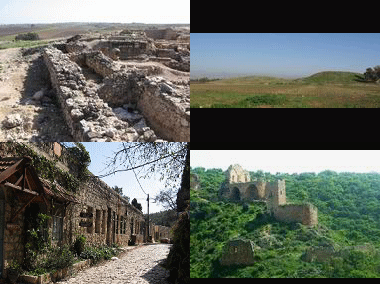
Contents:
Overview:
Upper Galilee is a region located in the northern part of Israel, bordering Lebanon to the north. The region is characterized by its mountainous terrain, lush green landscapes, and picturesque villages. The Upper Galilee is known for its natural beauty, hiking trails, and historical sites.
Some of the popular attractions in the Upper Galilee include the Banias Nature Reserve, which is home to a waterfall, natural pools, and the remains of an ancient city; the Hula Valley, a nature reserve that is home to over 200 species of birds and other wildlife; and the ancient city of Safed, which is considered one of the four holy cities in Judaism and is known for its mystical teachings and art galleries.
The Upper Galilee is also famous for its wineries and vineyards, producing high-quality wines that have won international recognition. The region’s rich culinary traditions, including dishes made with local produce and traditional Middle Eastern spices, are also popular with visitors.
Overall, the Upper Galilee is a unique and beautiful region that offers a diverse range of experiences for visitors, from outdoor adventures to cultural and historical exploration.
The Sites:
On each site below you can:
- read a short summary (above the picture)
- read the biblical reference (below the picture)
- click on the title to get to the review of that site.
- click on the photo to see the picture at full resolution.
- Tell Hazor is one of the largest, most important biblical sites in the Canaanite and Israelite periods. The bible gave it the title: “the head of all those kingdoms”.
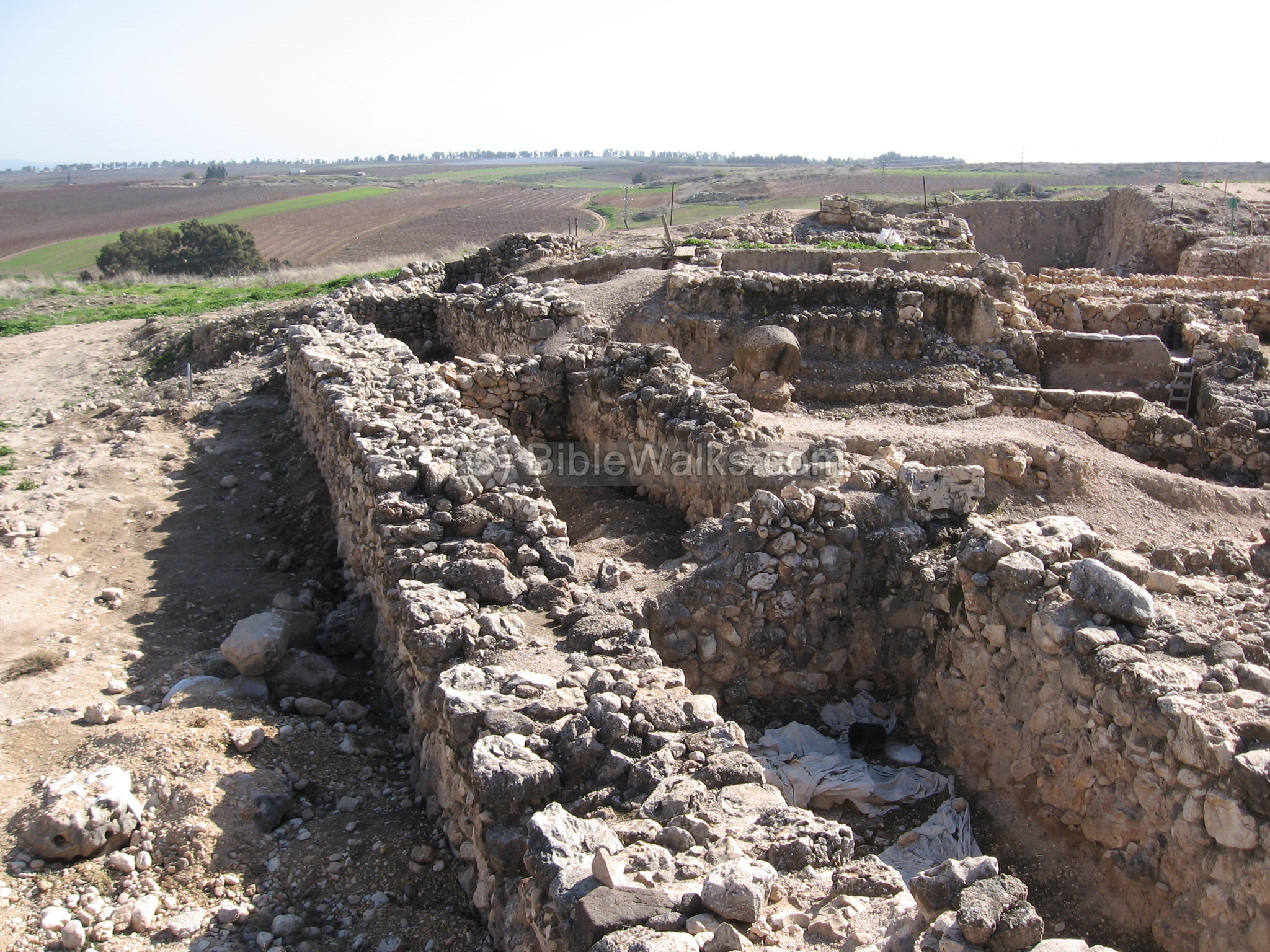
- Joshua 11:10: “And Joshua at that time turned back, and took Hazor, and smote the king thereof with the sword: for Hazor beforetime was the head of all those kingdoms.”
- Tell Yaaf is a biblical site located east to Rosh-Pinna, on the route of the ancient road to Syria. It is yet unidentified.

- Rosh-Pinna was established in the 19th century AD, and recently restored.
- Ruins of a remote 13th century Crusaders castle located in the heart of the nature park of Kziv creek. Once the center of the Teutonic Knights, now a popular hiking place.
Tell Avdon (Abdon)
- Ruins of a Biblical city on a hill on the western end of Kziv creek. The site existed until the Crusaders and Mameluke periods, and preserved the Biblical name.
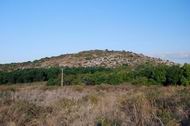
- Joshua 19 24, 28: “And the fifth lot came out for the tribe of the children of Asher according to their families….And Hebron, and Rehob, and Hammon, and Kanah, even unto great Zidon;”
- Ruins of a Roman and Byzantine fishermen village located along the shore, south of Rosh Hanikra. May have been the Biblical area of Misrephot-Maim.

- Joshua 11: 8: “And the LORD delivered them into the hand of Israel, who smote them, and chased them unto great Zidon, and unto Misrephothmaim“
- Ruins of a Roman/Byzantine village on the western edge of Kziv creek. In the site are ruins of a Crusaders fortified farm complex, including a sugar processing factory.
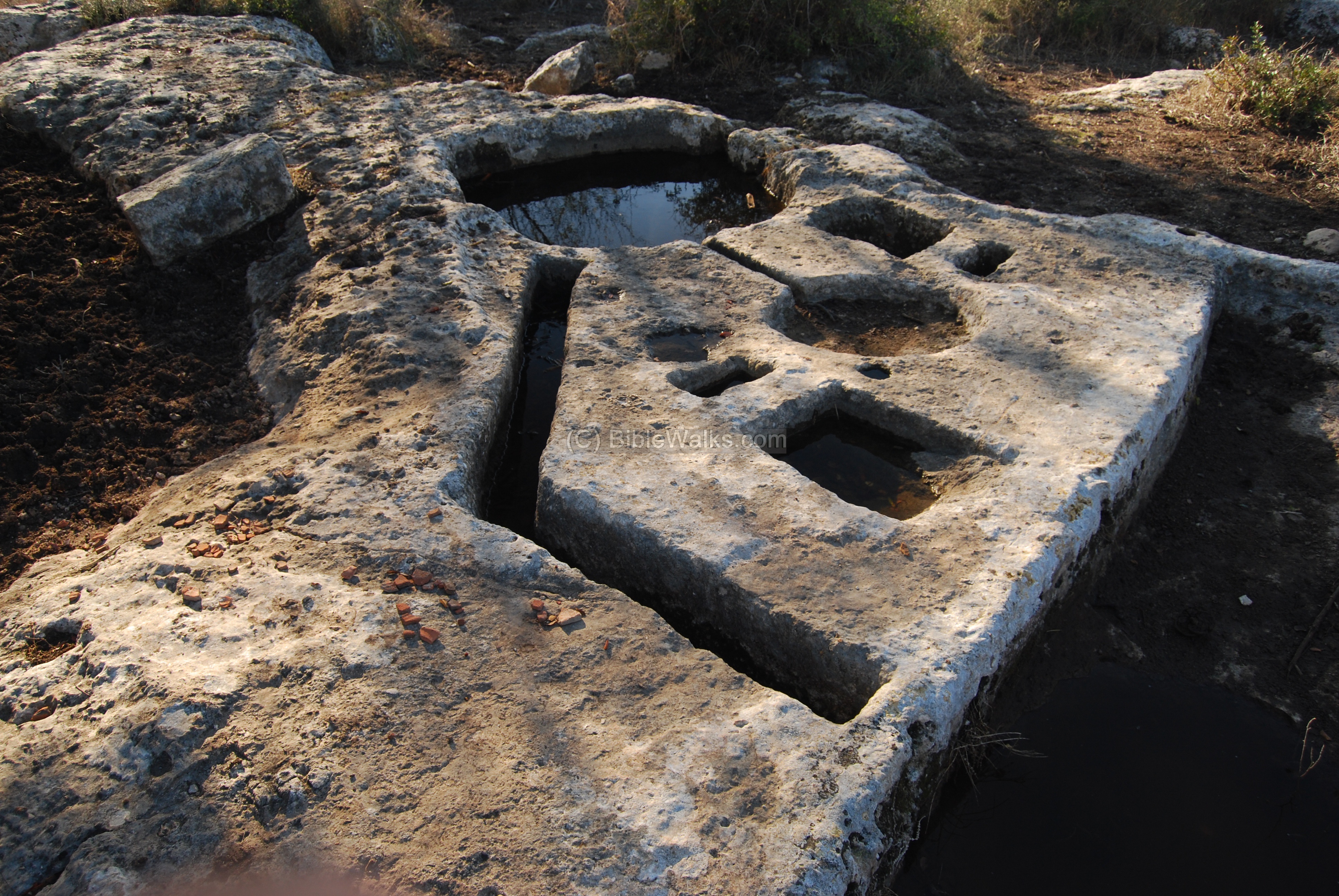
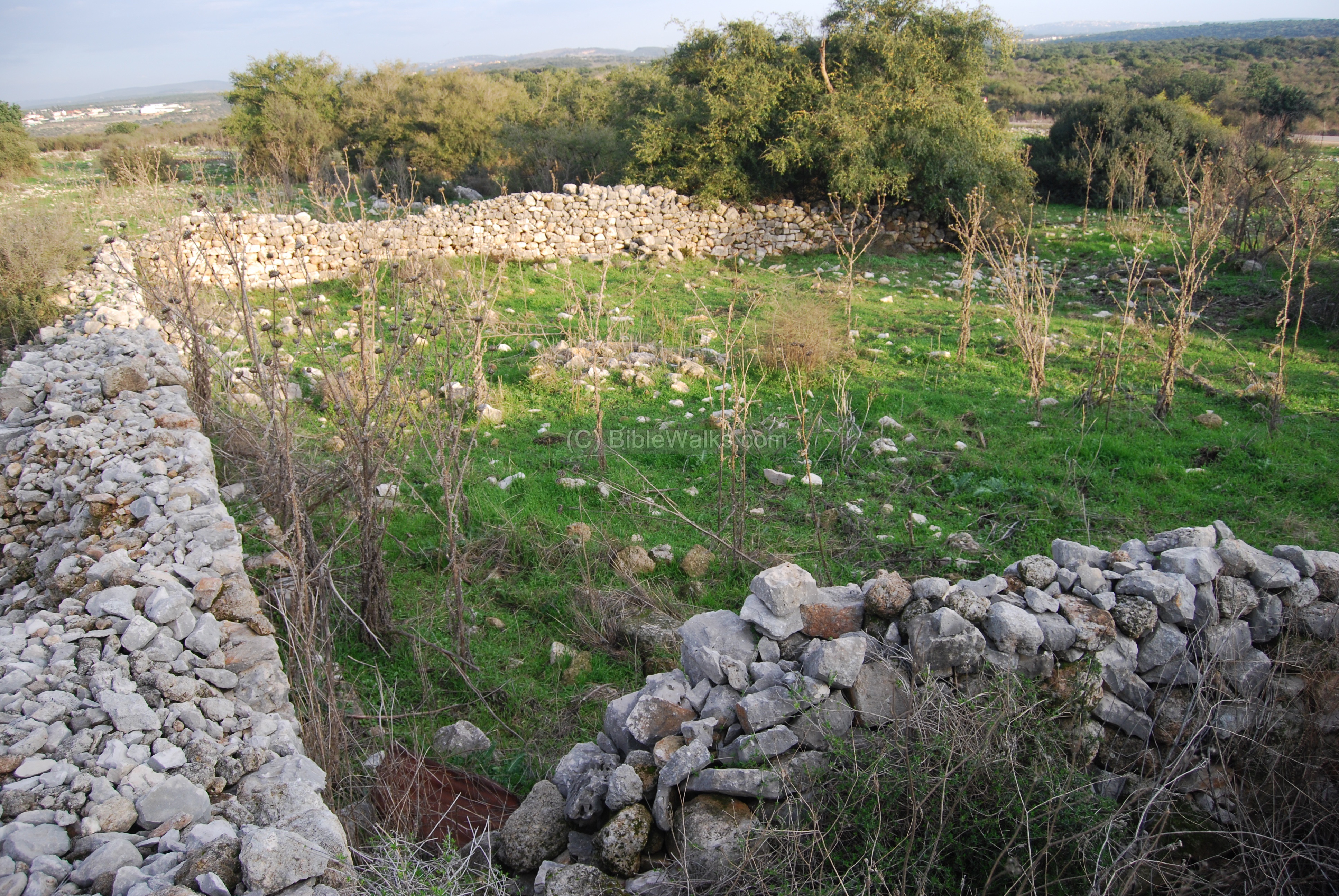
- Ruins of a Roman/Byzantine village on the western edge of Kziv creek. In the site are traces of buildings, sheepfold, installations, and traces of a church. On the hillside are stone quarries and rock-hewn tombs.
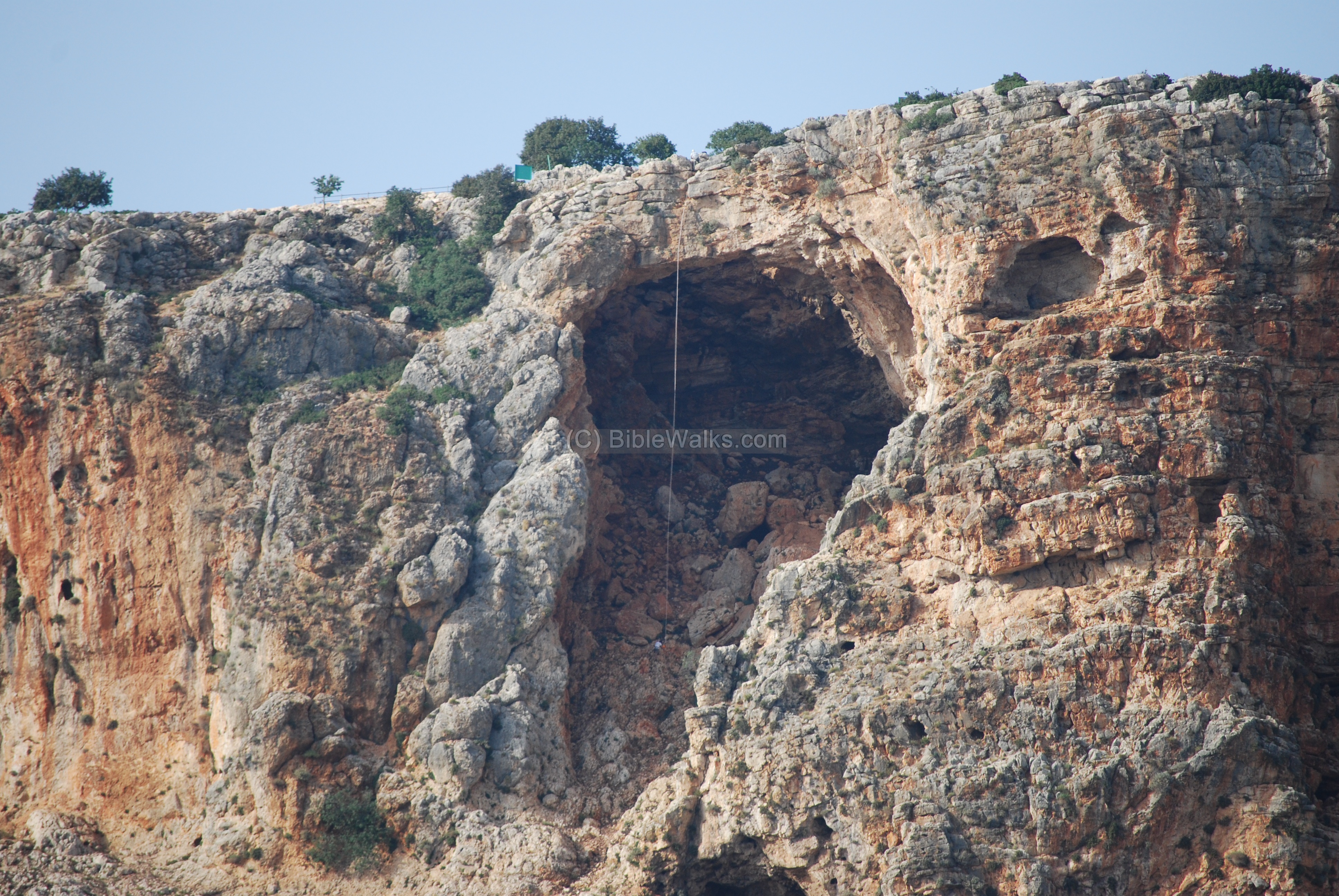
- A large natural cave that overlooks the Bezet creek, a famous rappelling place. The caves around the site are prehistoric sites and were in use also in later periods.
- A Greek Catholic village in the west upper Galilee, built over the ruins of the 12th C Crusader fortress. The fortress first belonged to the Crusader King Baldwin III, and was called the “King’s fortress” , then owned by the De Milly family. The site was a large Biblical city, identified with “Aloth”.

- 1 Kings 4:16: “Baanah the son of Hushai was in Asher and in Aloth“
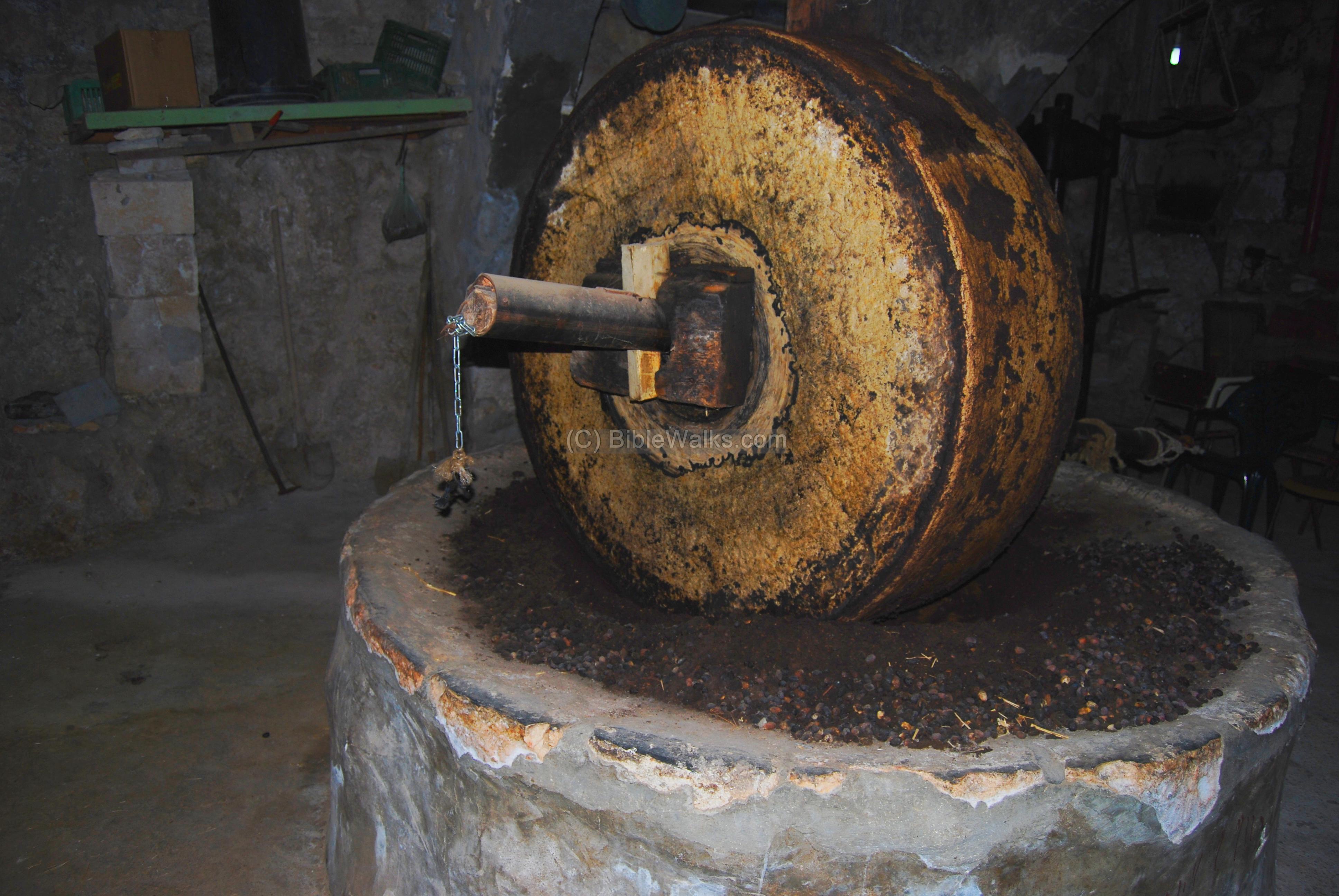
- An ancient oil press located in Mi’ilya, a Greek Catholic village in the west upper Galilee. The structure was part of the Crusaders fortress.
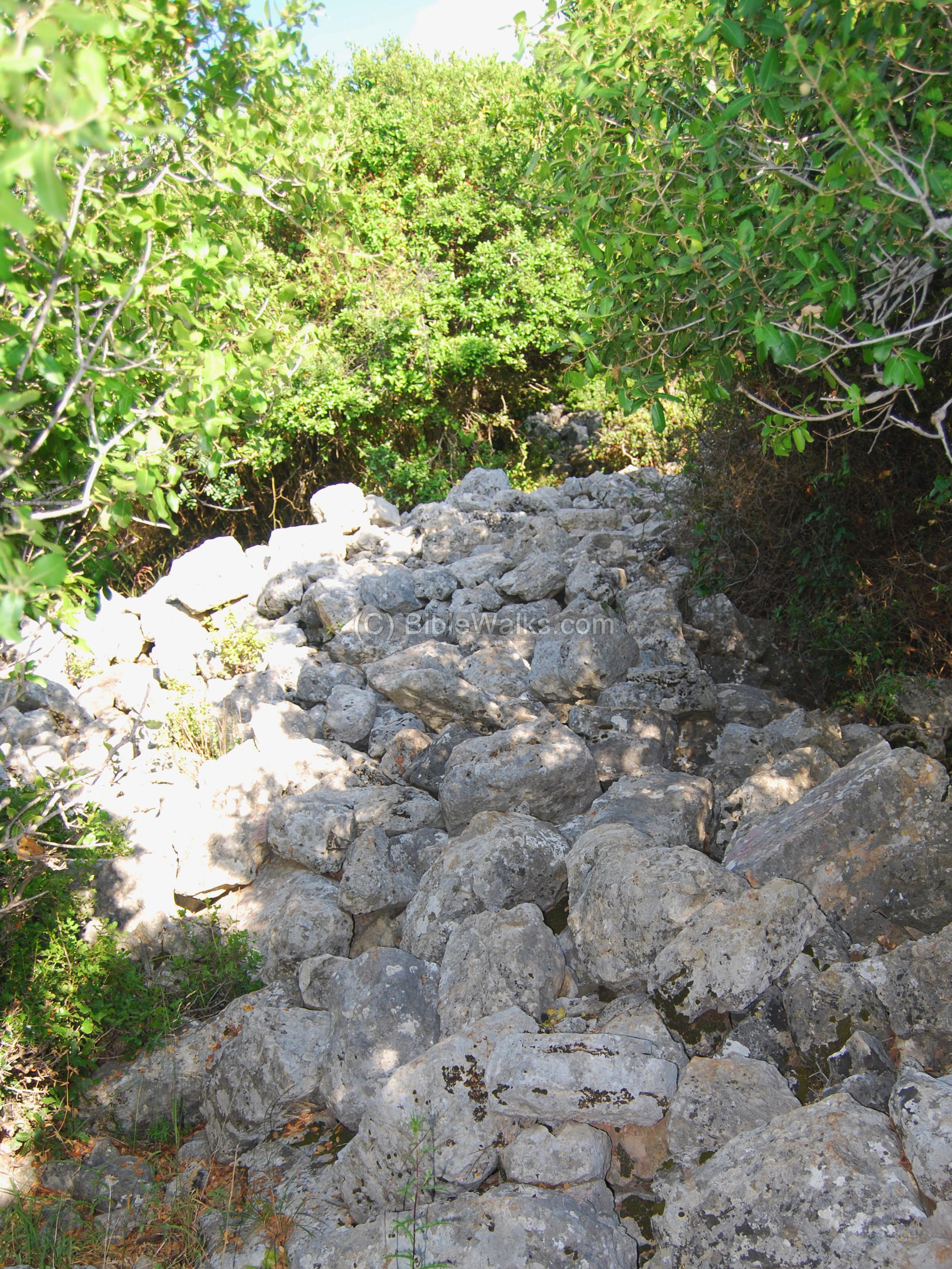
- Ruins of a Roman/Byzantine village on the western edge of Kziv creek. A short second stage of settlement was in the Crusader/Ottoman period. Across the creek is a Biblical site.
- A Druze village in the center upper Galilee, the highest village in Israel. Founded in the 13th C, and may be identified as the Biblical “Beth-Dagon” of the Galilee.
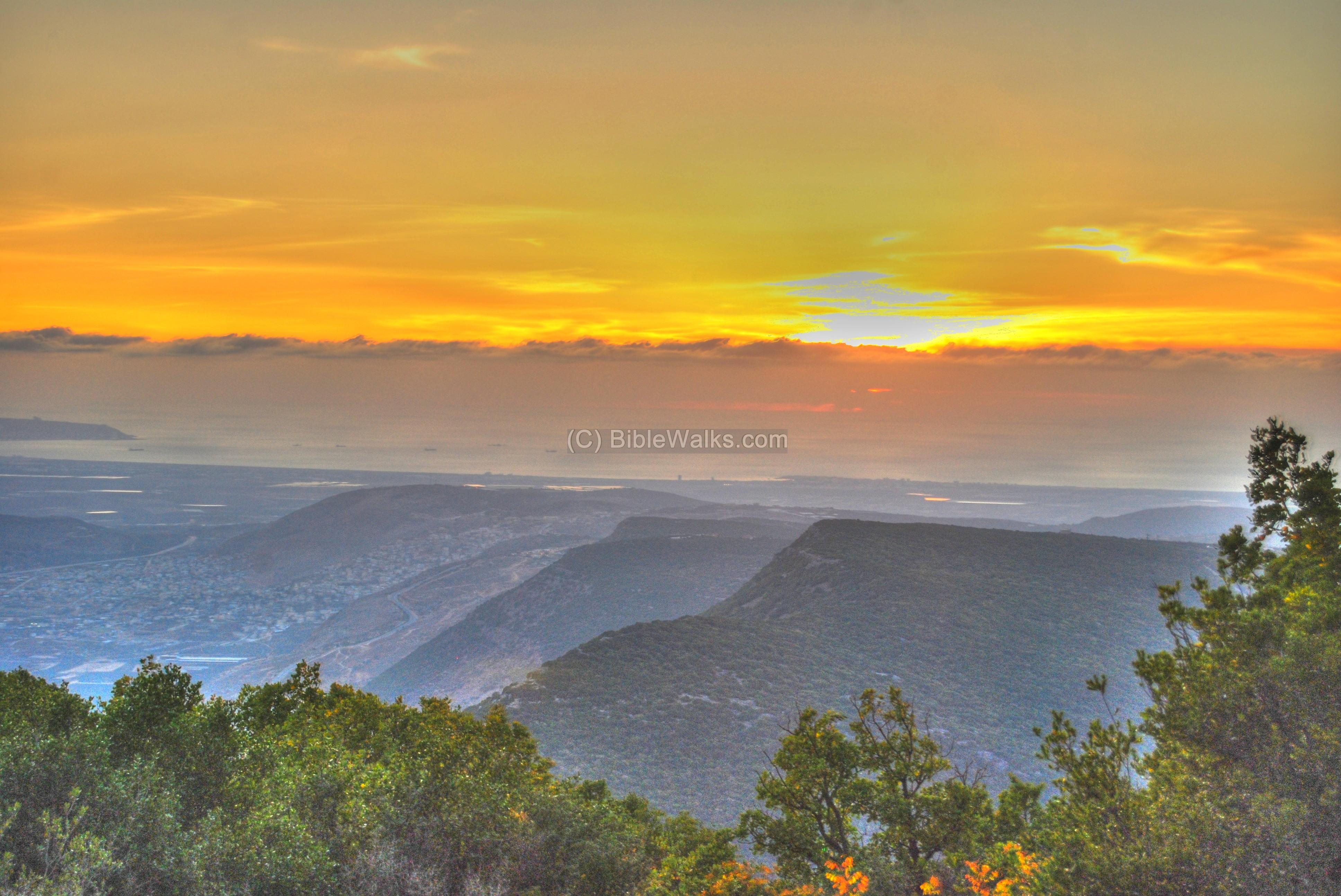
- Joshua 19, 24-27: “And the fifth lot came out for the tribe of the children of Asher according to their families. And their border was… And turneth toward the sunrising to Bethdagon…”
- Remains of an ancient village on a hill on the southern side of Bezet Creek, near the modern village of Ya’ara. Another Roman/Byzantine village, Ramah, was established on its east side.
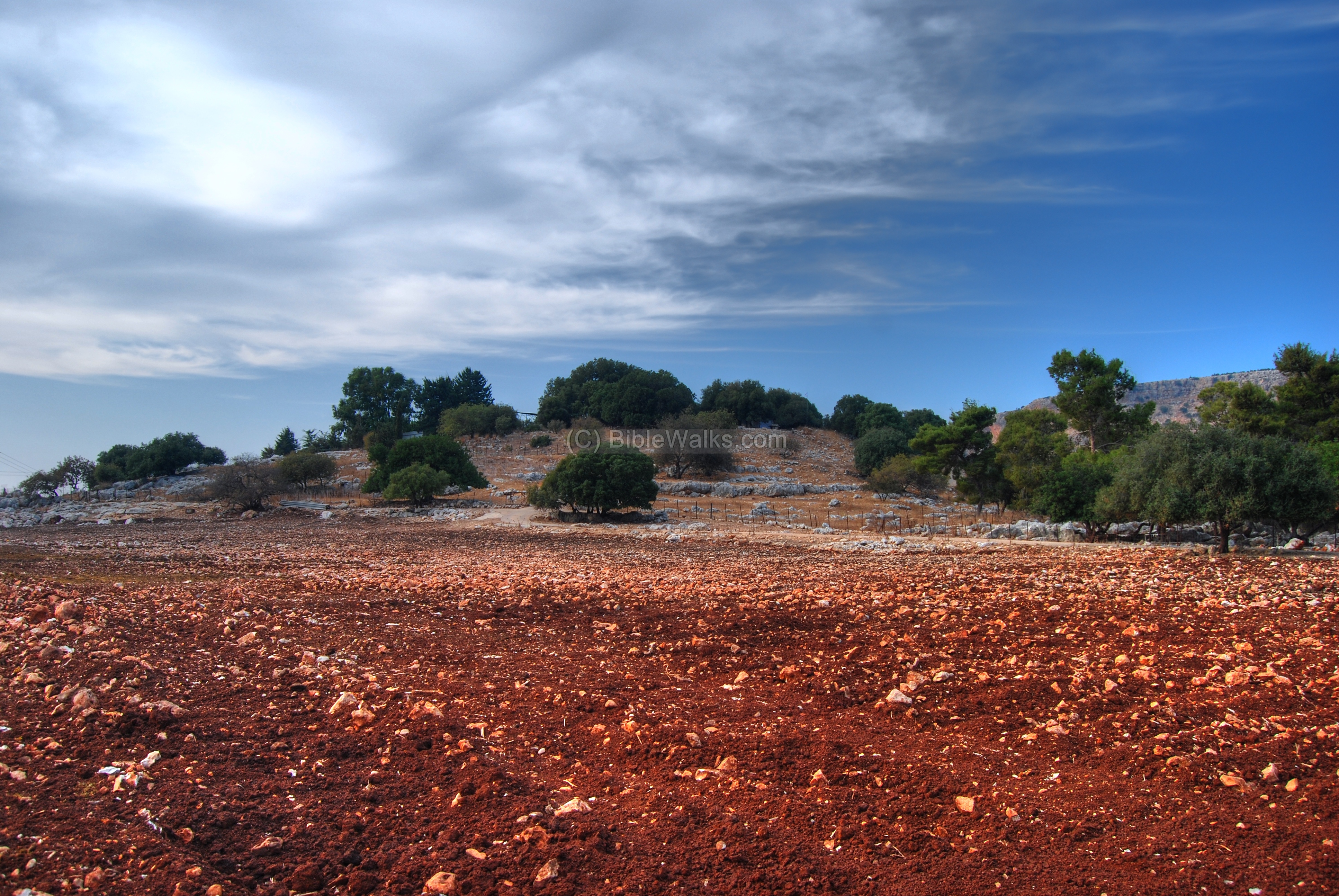
- Remains of a Byzantine village on the north side of the upper section of Beit HaEmek brook. A recommended site for a short hike in the spring time.
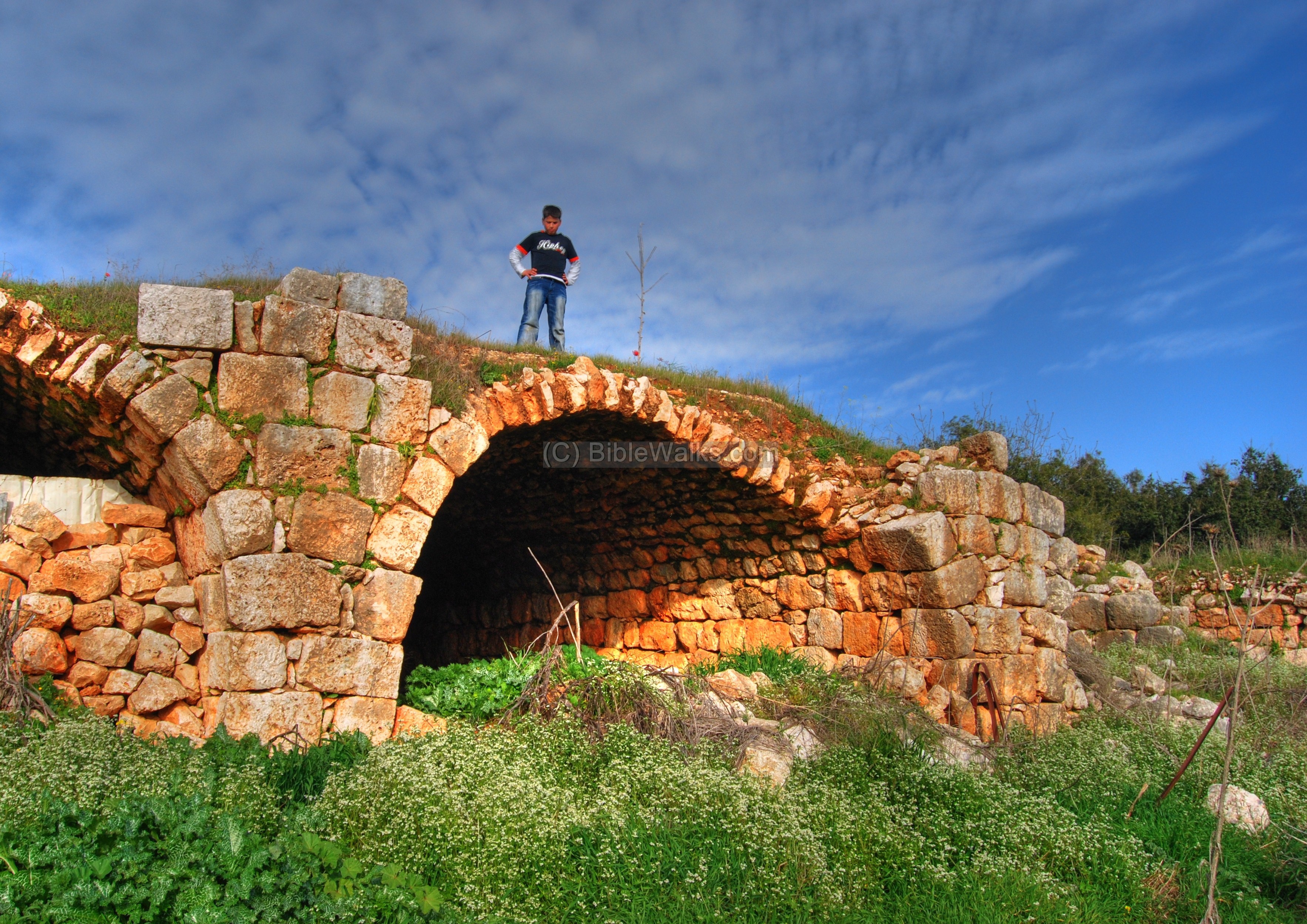
- Khirbet Tefen is the ruins of a mountain fortress dated to the Hellenistic period.
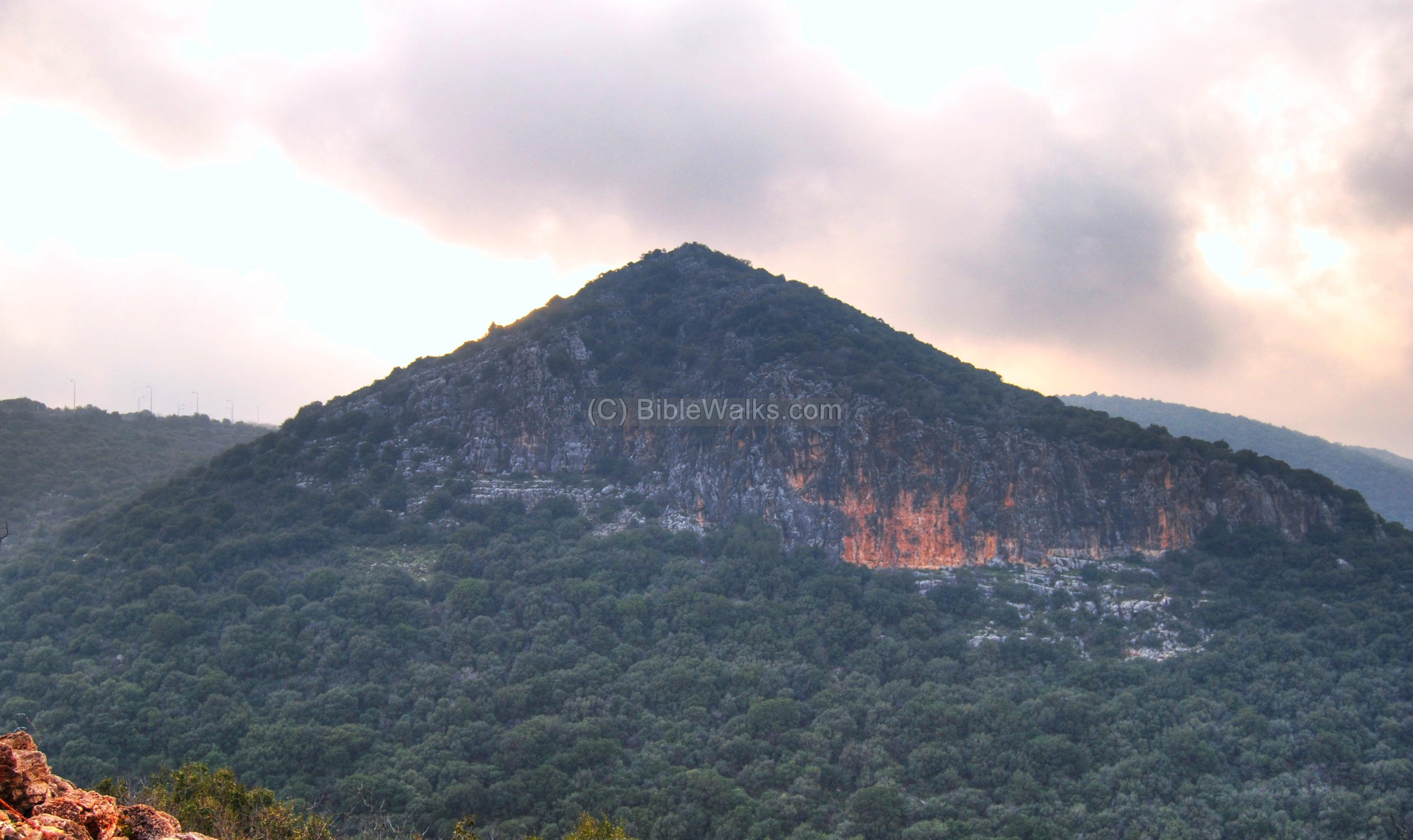
- Remains of a well preserved 6th century Byzantine church in Tefen area. The structure was probably part of Khirbet Mehoz.

- Located on the western side of the border with Lebanon, the tourist attraction offers amazing views of the grottos and tunnels.
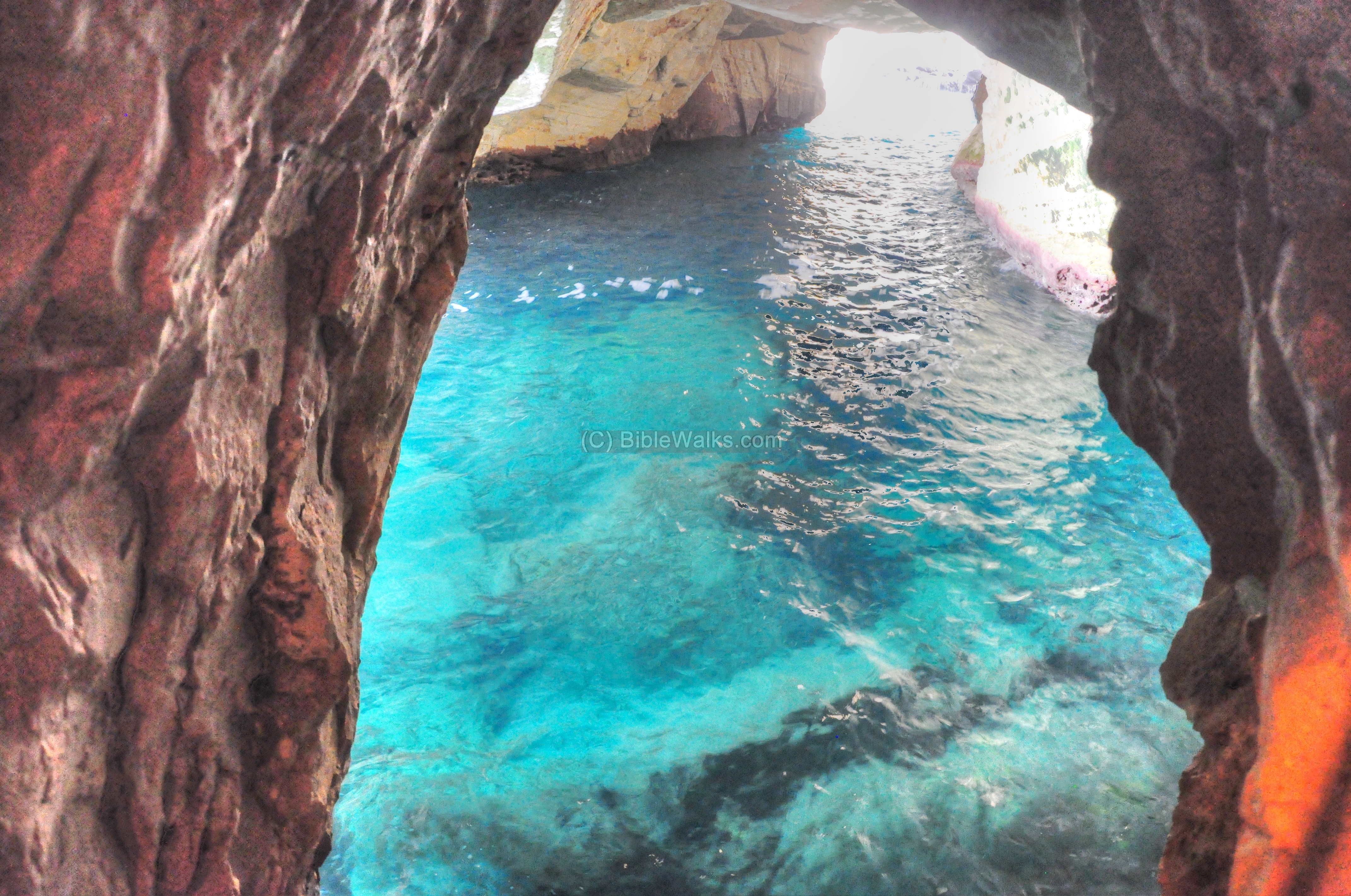
- Psalms 93:4: “The LORD on high is mightier than the noise of many waters, yea, than the mighty waves of the sea”.
- A nature reserve and the source of the Dan and Jordan rivers. An impressive archaeological site with unique remains of the Canaanite and Israelite cities and a Biblical High Place.

- Joshua 19 47: “…the children of Dan went up to fight against Leshem, and took it… and called Leshem, Dan, after the name of Dan their father”.
- This web page focuses on the Israelite (Iron age) city in Tell Dan.

- Joshua 19 47: “…the children of Dan… took it, and smote it with the edge of the sword, and possessed it, and dwelt therein, and called … Dan”.
- This web page focuses on the Canaanite (Bronze age) city in Tell Dan – the Biblical city of Laish/Leshem.
- Genesis 14:14: “And when Abram heard that his brother was taken captive, he armed his trained servants, born in his own house, three hundred and eighteen, and pursued them unto Dan“.
- This web page focuses on the ritual site in Tell Dan – established by Jeroboam son of Nebat as an alternative worship site for Jerusalem.
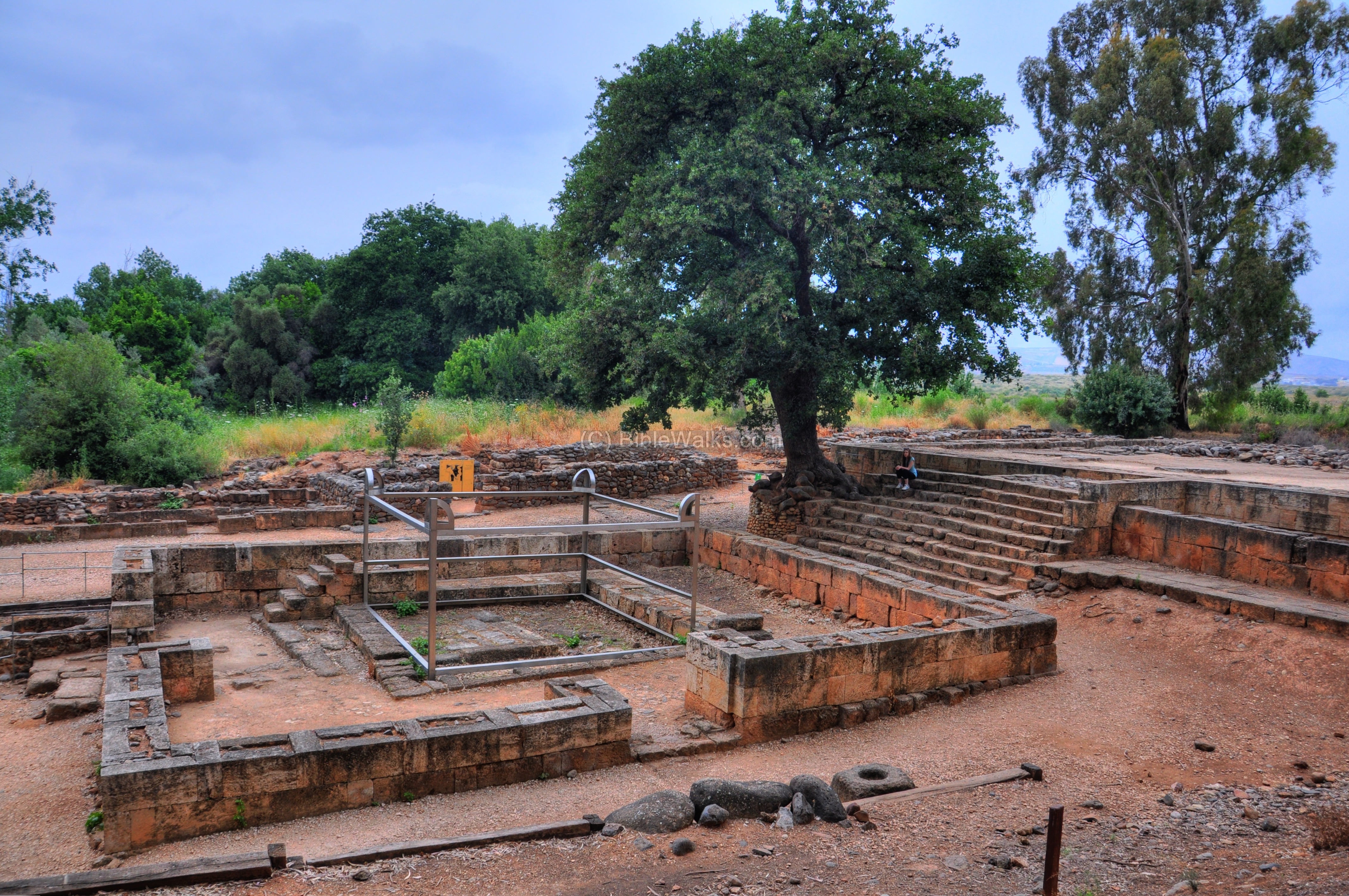
- 1 Kings 12 28-31: “… and the other put he in Dan. … And he made an house of high places, and made priests of the lowest of the people, which were not of the sons of Levi”.
- This web page focuses on the Nature reserve in Tell Dan, a natural wonderland of streams, springs, ponds, trees and hiking trails.
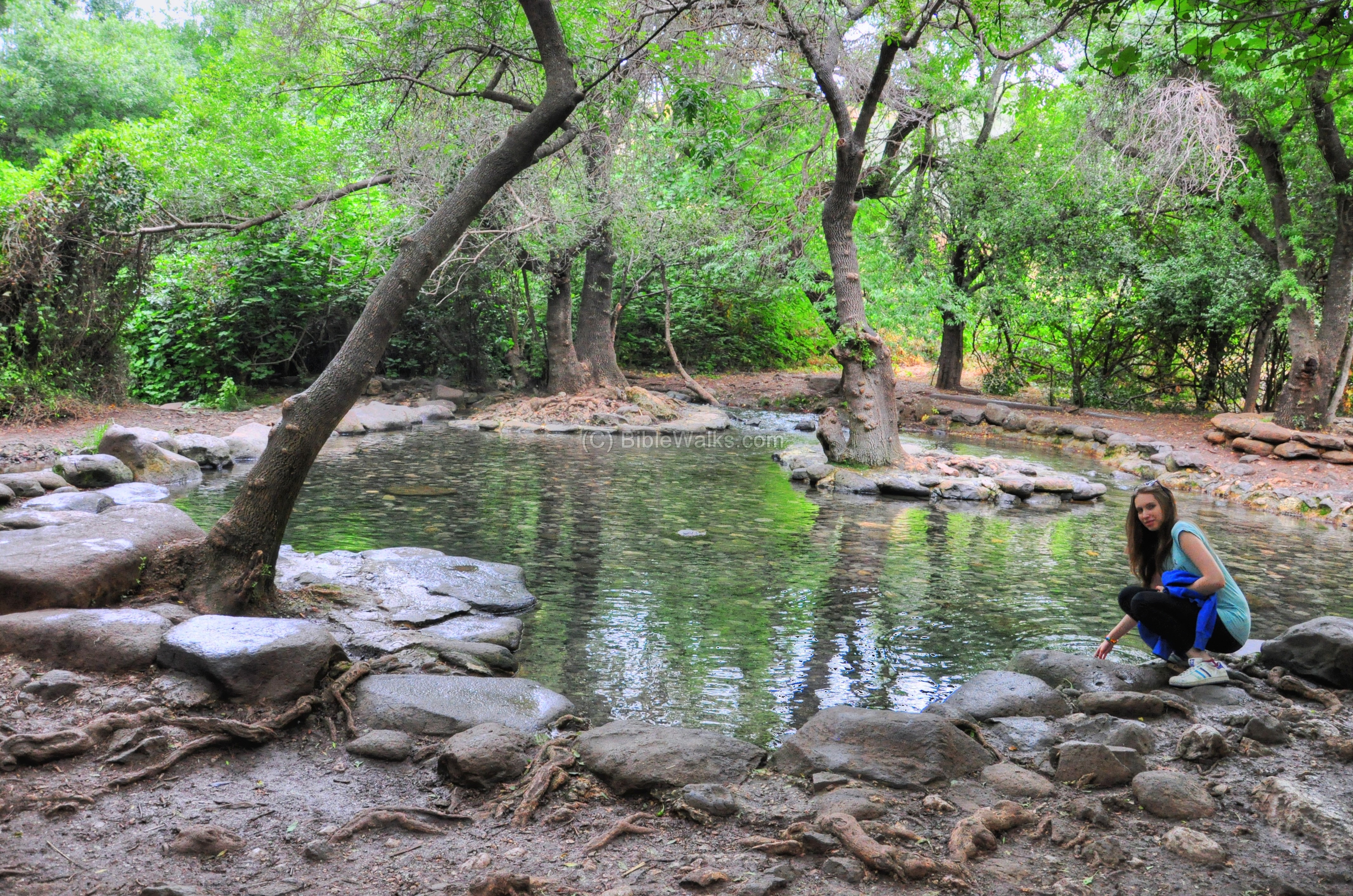
- Judges 18 9: “…we have seen the land, and, behold, it is very good”.
- One of the largest and most important ancient mounds in the Galilee. Inhabited from the Bronze age to the Roman period. Recent excavations focus on the Persian/Hellenistic period.
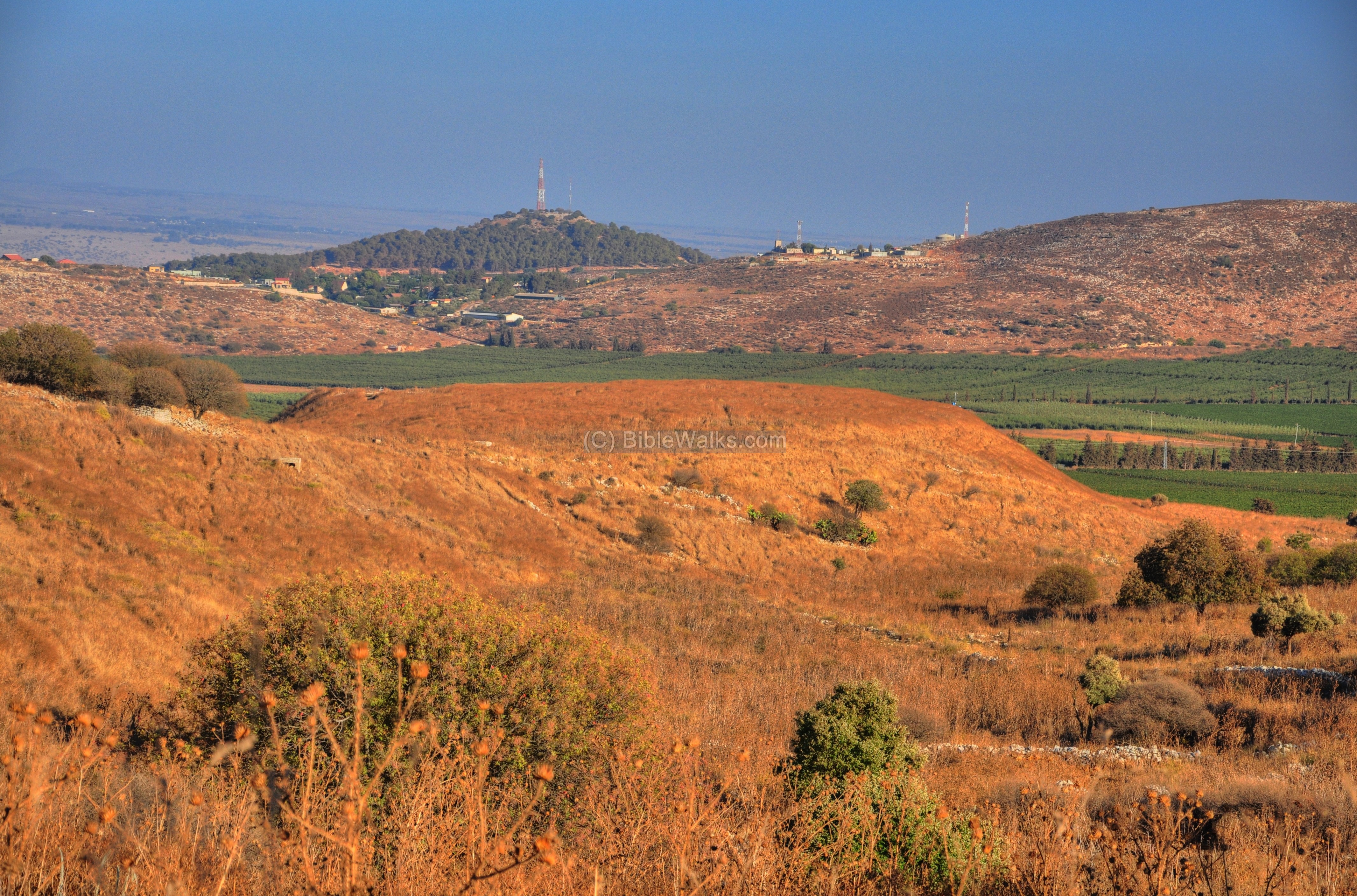
- The ruins of the Roman village is located on a small hill to the north-east of the ancient Biblical site.
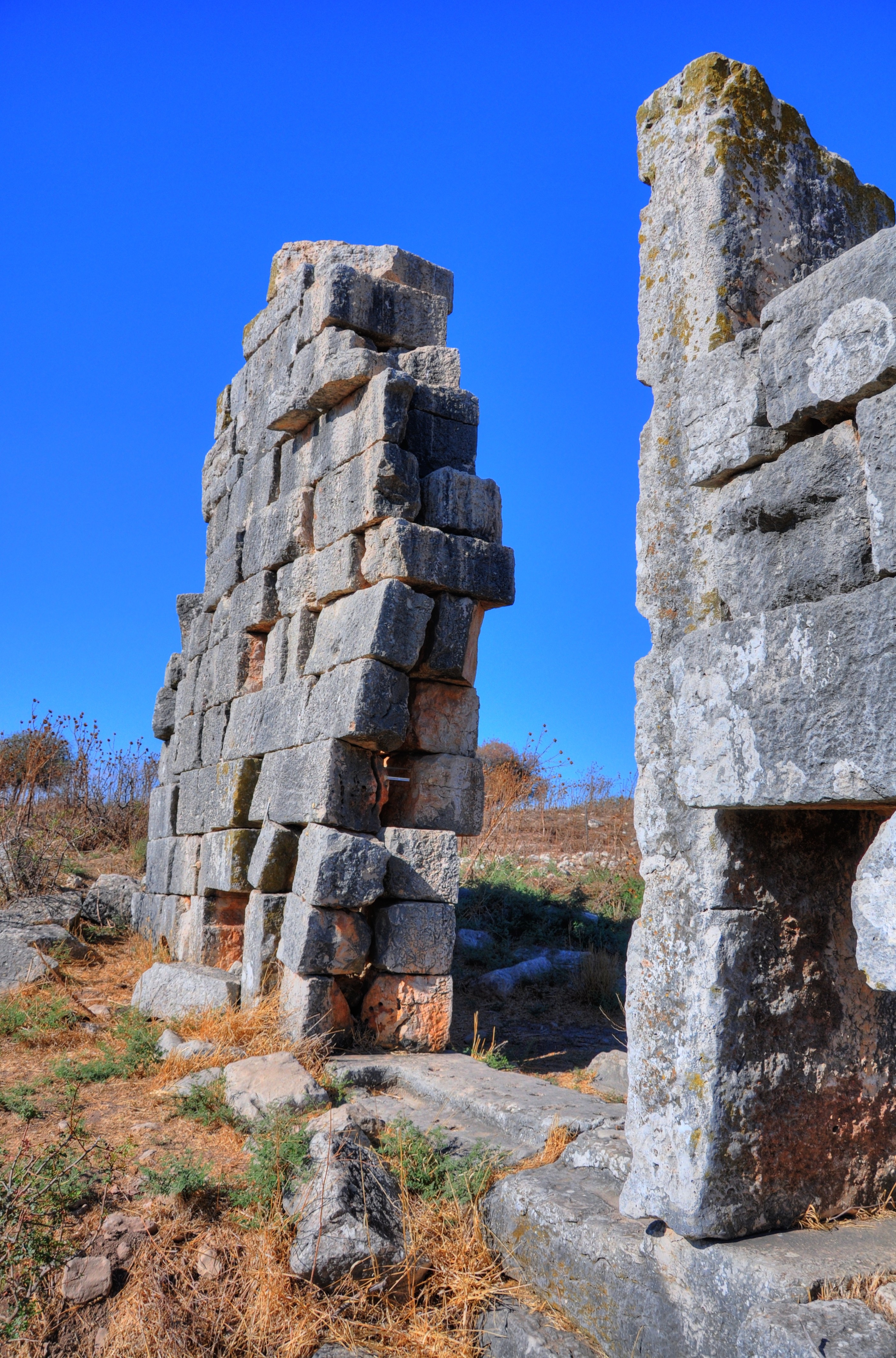
- The ruins of the ancient city are located on a large mound, with remains from the Canaanite, Israelite and Persian/Hellenistic periods.
- Joshua 21 32: “Kedesh in Galilee with the open land about it, the city of refuge for the manslayer”.
- An important Canaanite and Israelite city in the northern part of Israel.
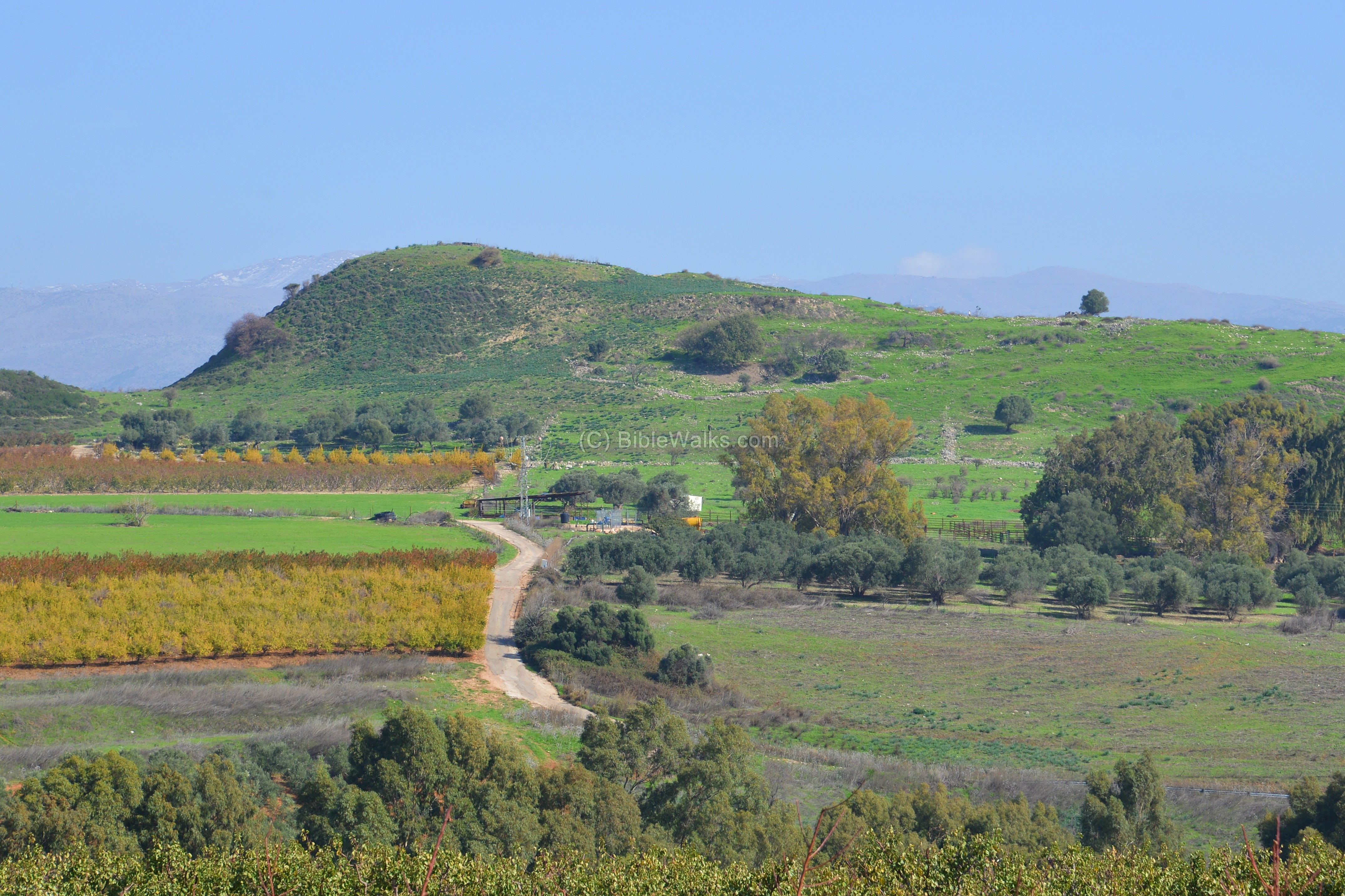
- 2 Samuel 20:15: “And they came and besieged him in Abel of Bethmaachah.
- Ruins of a huge fortress dated to the Crusaders and Mamluke periods, on a high hill above the city of Zefat.
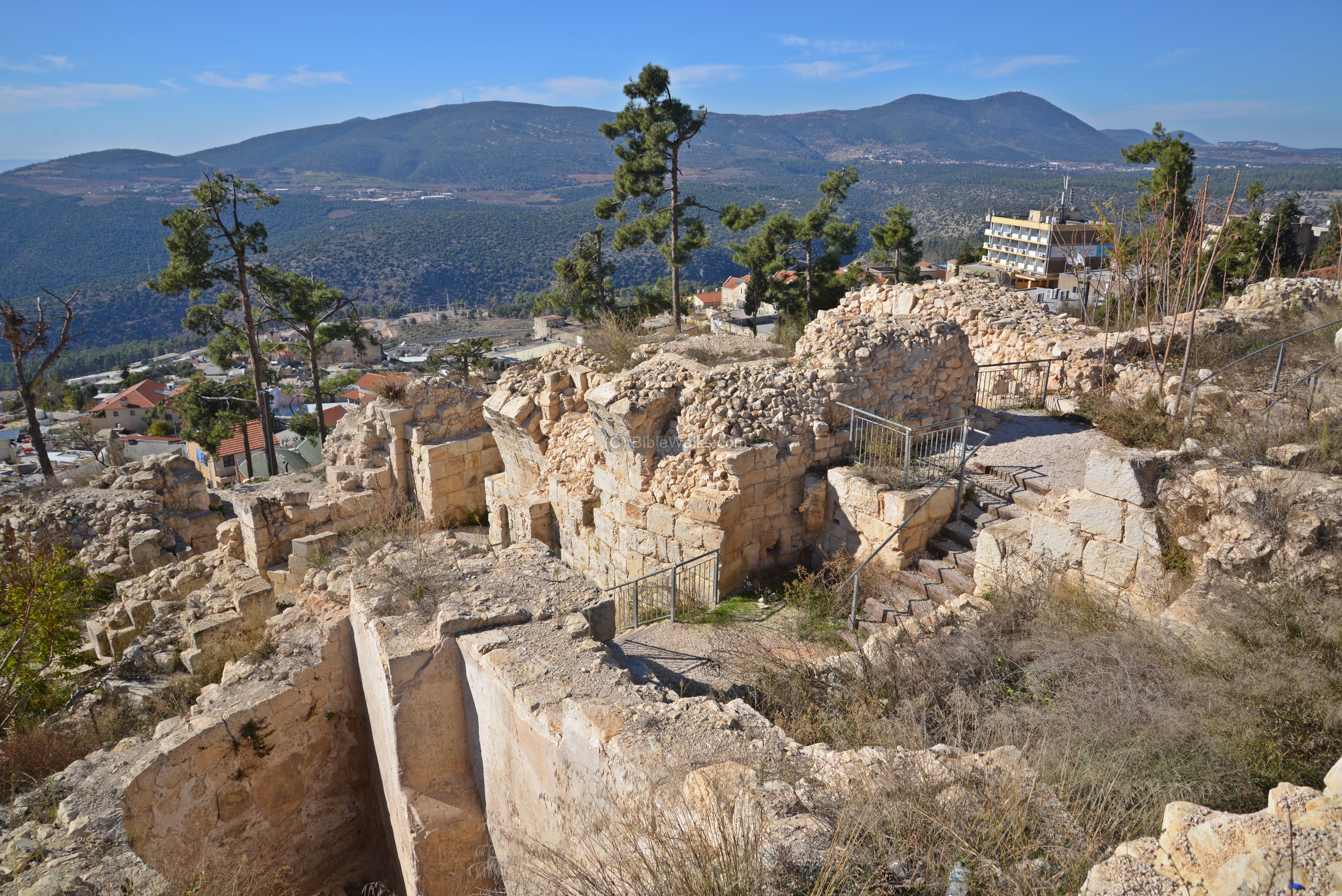
- Matthew 5: 14: “A city that is set on an hill cannot be hid.”.
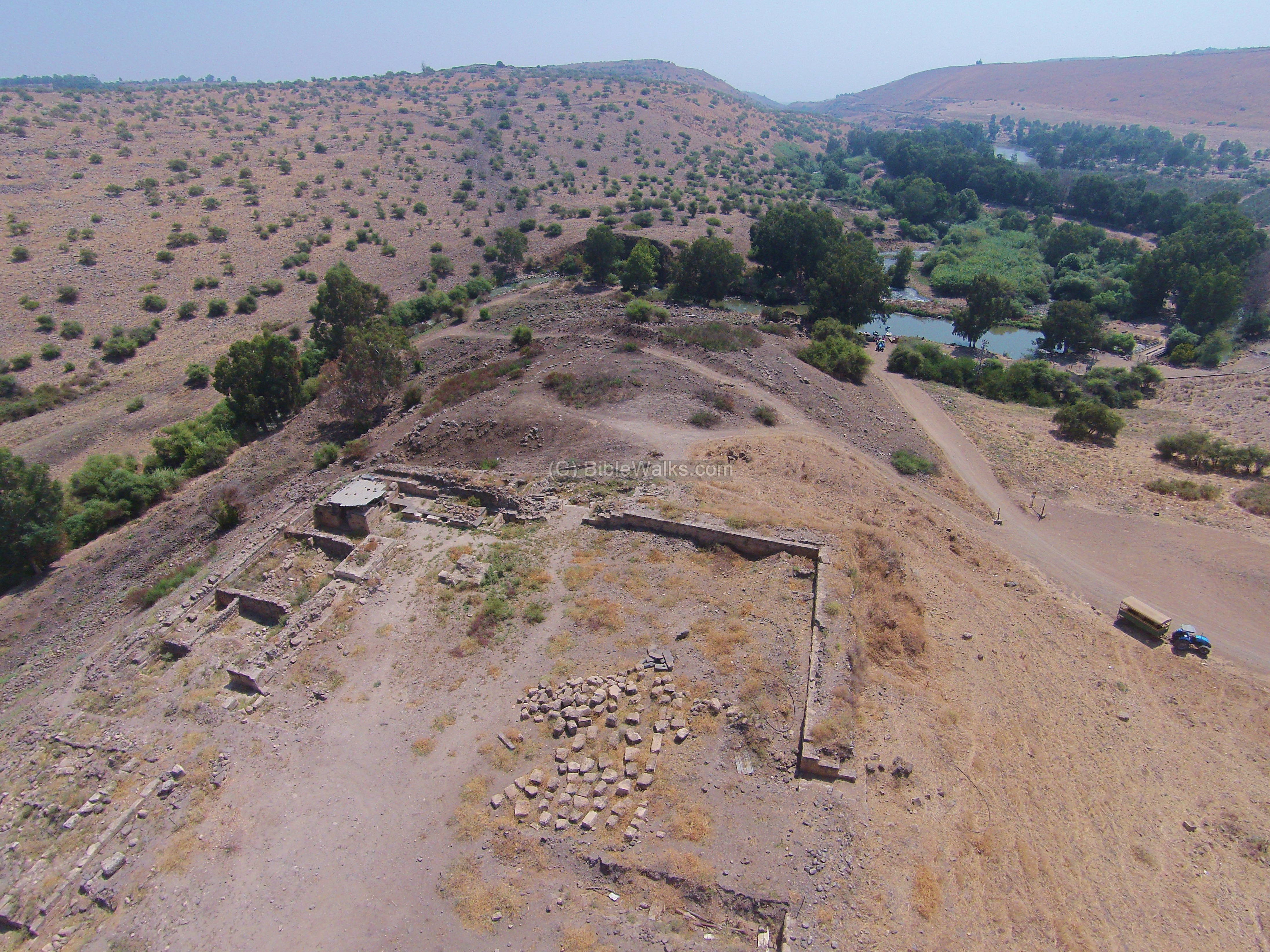
- Ruins of a Crusaders fortress, near a key river crossing over the Upper Jordan river.
- Ruins of a Crusaders frontier fortress, later fortified in the Ottoman period, in the Upper Galilee.
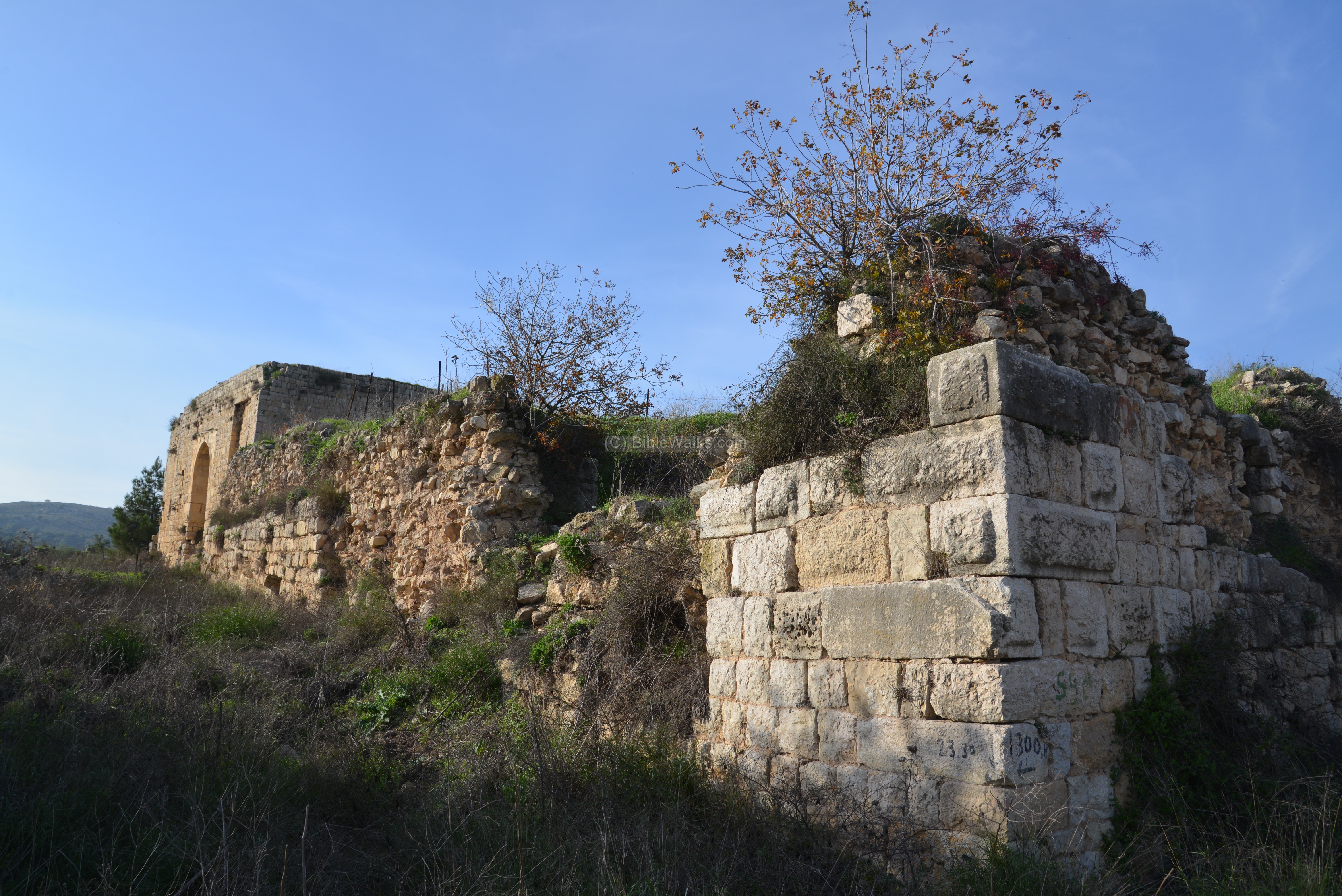
Horvat Danaila (Kh. Inaileh)
- Ruins of a Roman/Byzantine agriculture village in the Upper Galilee region.
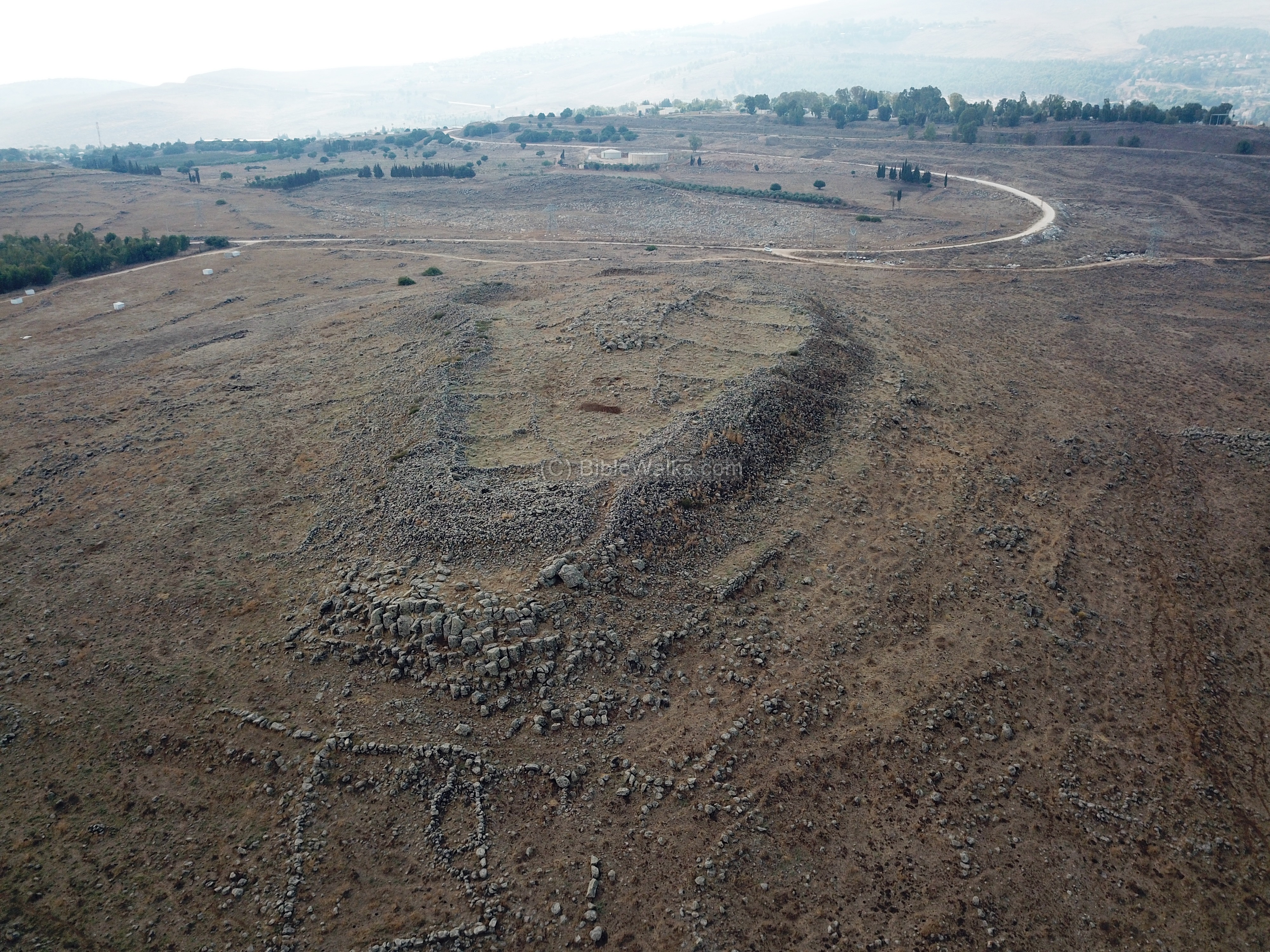
- Ruins of a prehistoric and Iron Age fortified city situated on a volcanic cone in the eastern Upper Galilee region.
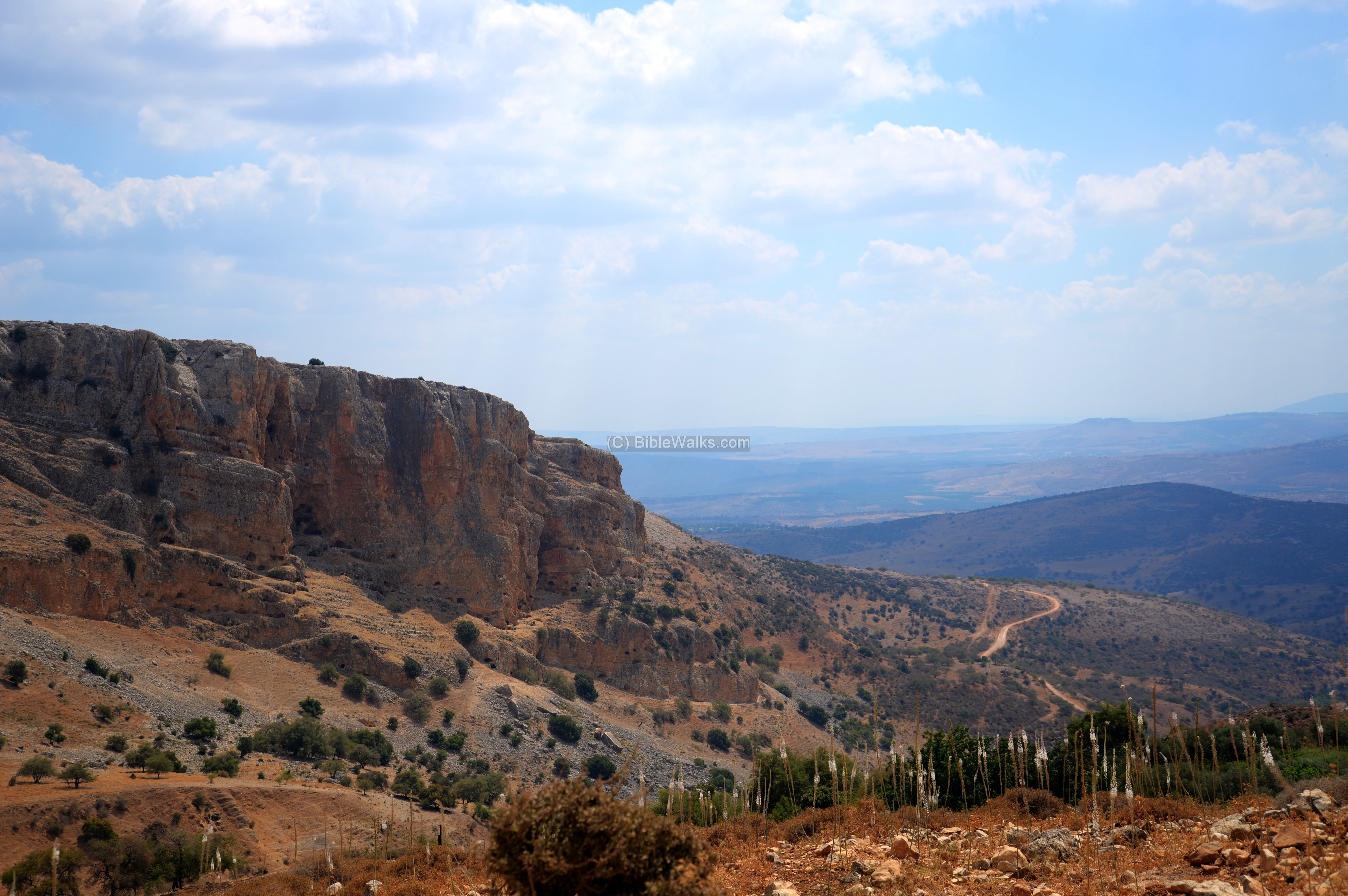
- Akhbara was a Roman period village, fortified by Josephus Flavius. An impressive 100m high cliff (“the Rock of Akhbara”) soars above the valley, dotted with caves.
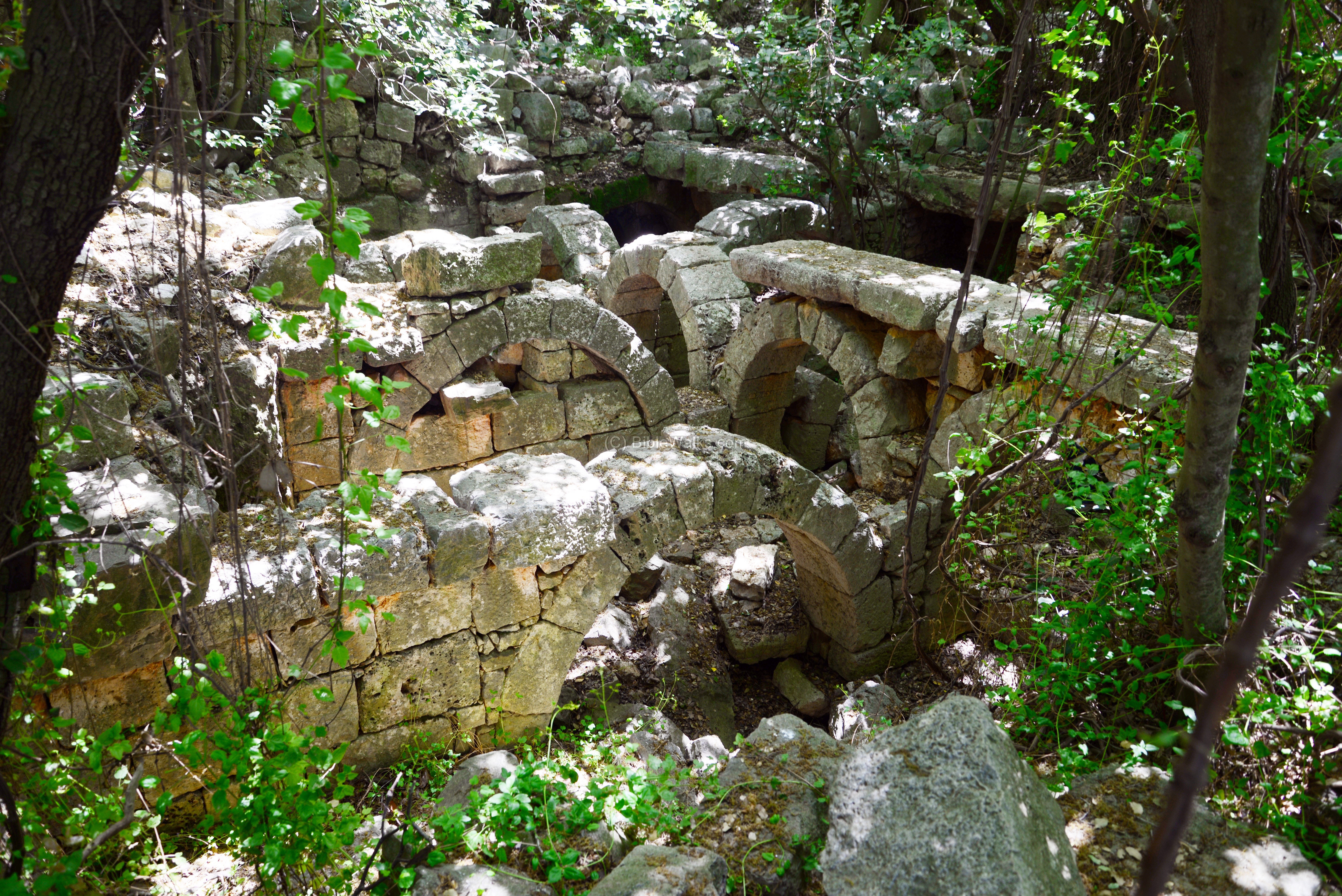
- Ruins of a large Upper Galilee village, dated to the Byzantine and Mameluke/Crusader period. Its nickname – “the lost city” – is derived from its obscurity, as it was hidden inside the thick forest.
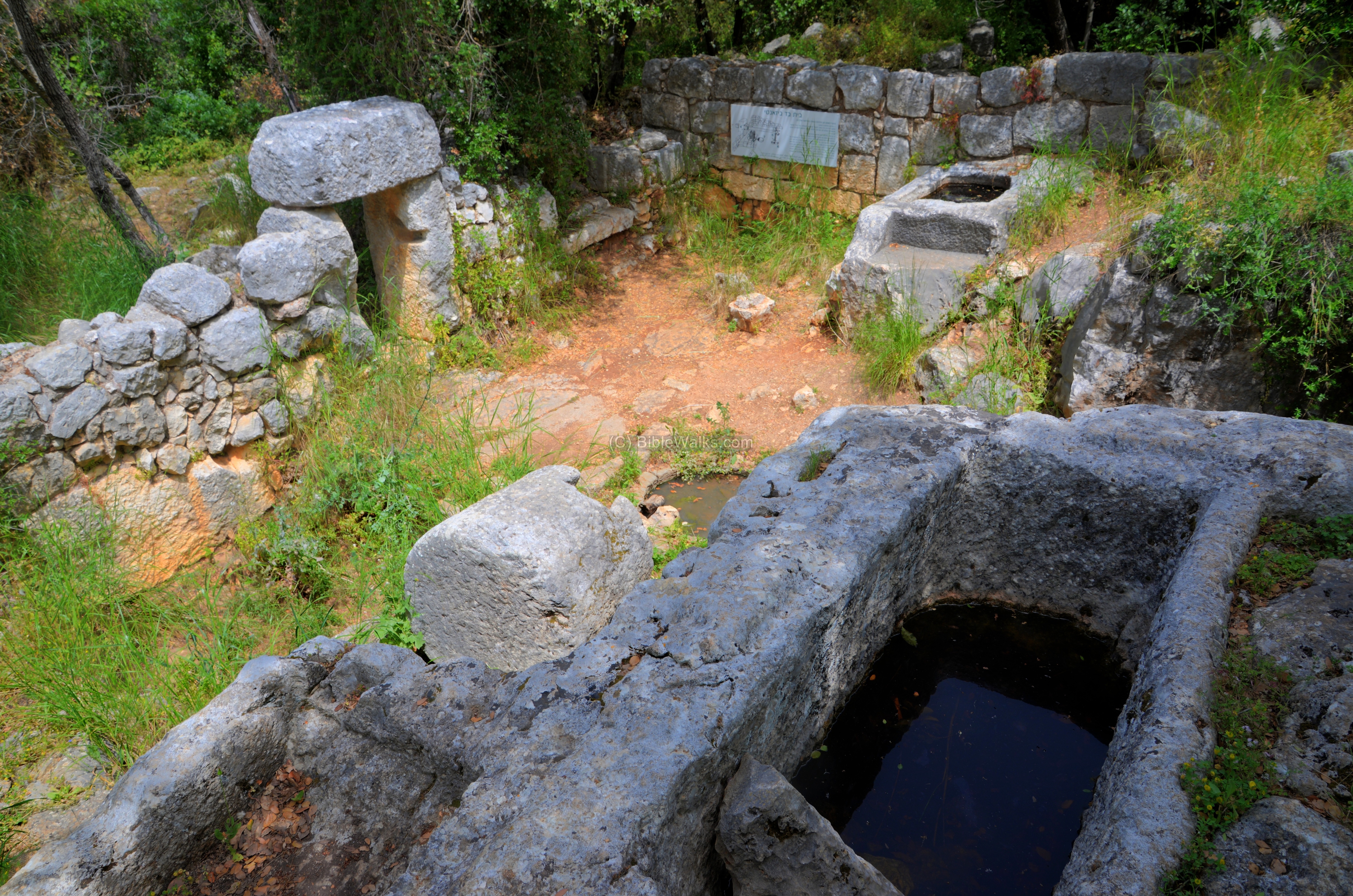
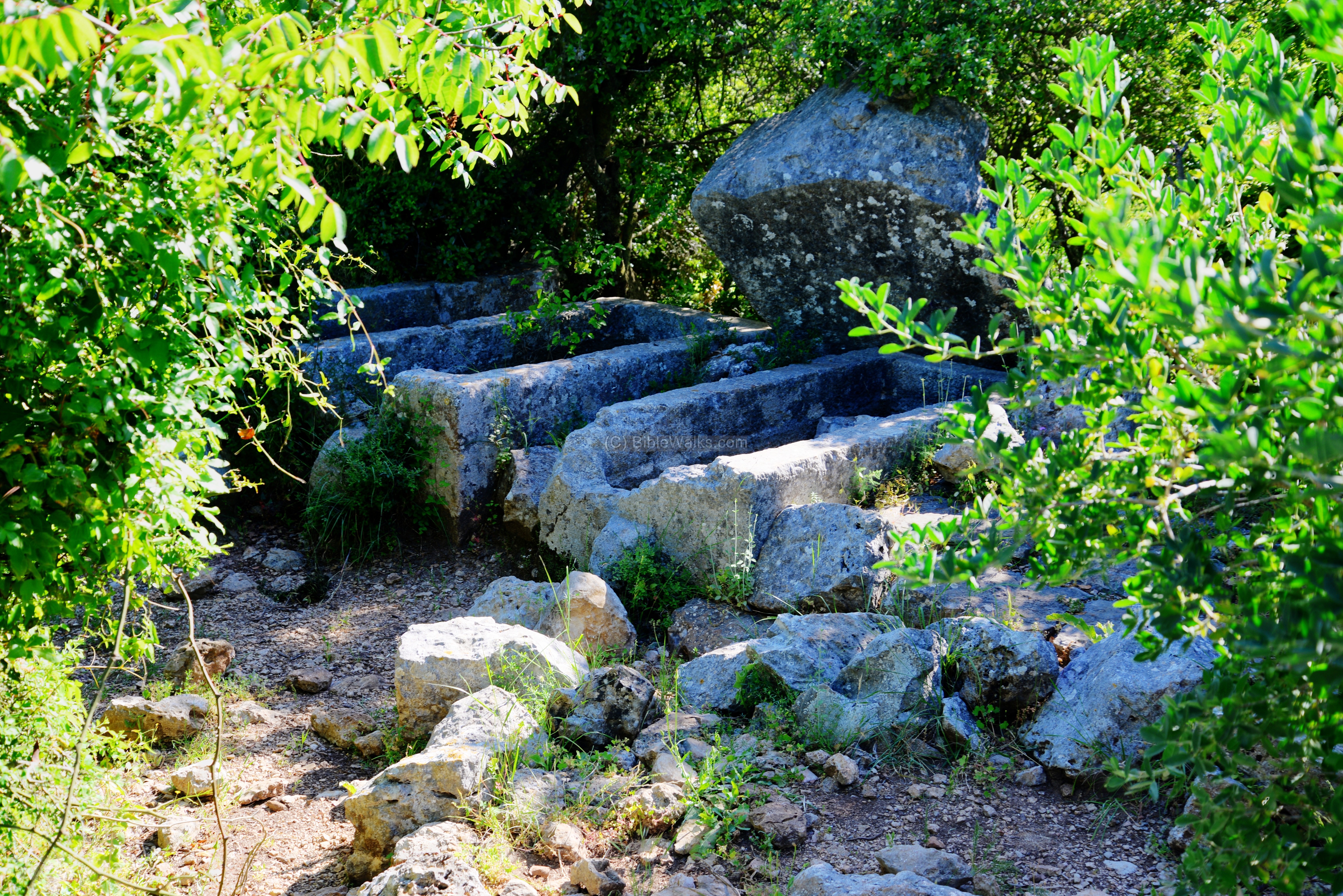
- Ruins of a small Upper Galilee village, dated to the Roman/Byzantine period, with impressive group of sarcophagi.
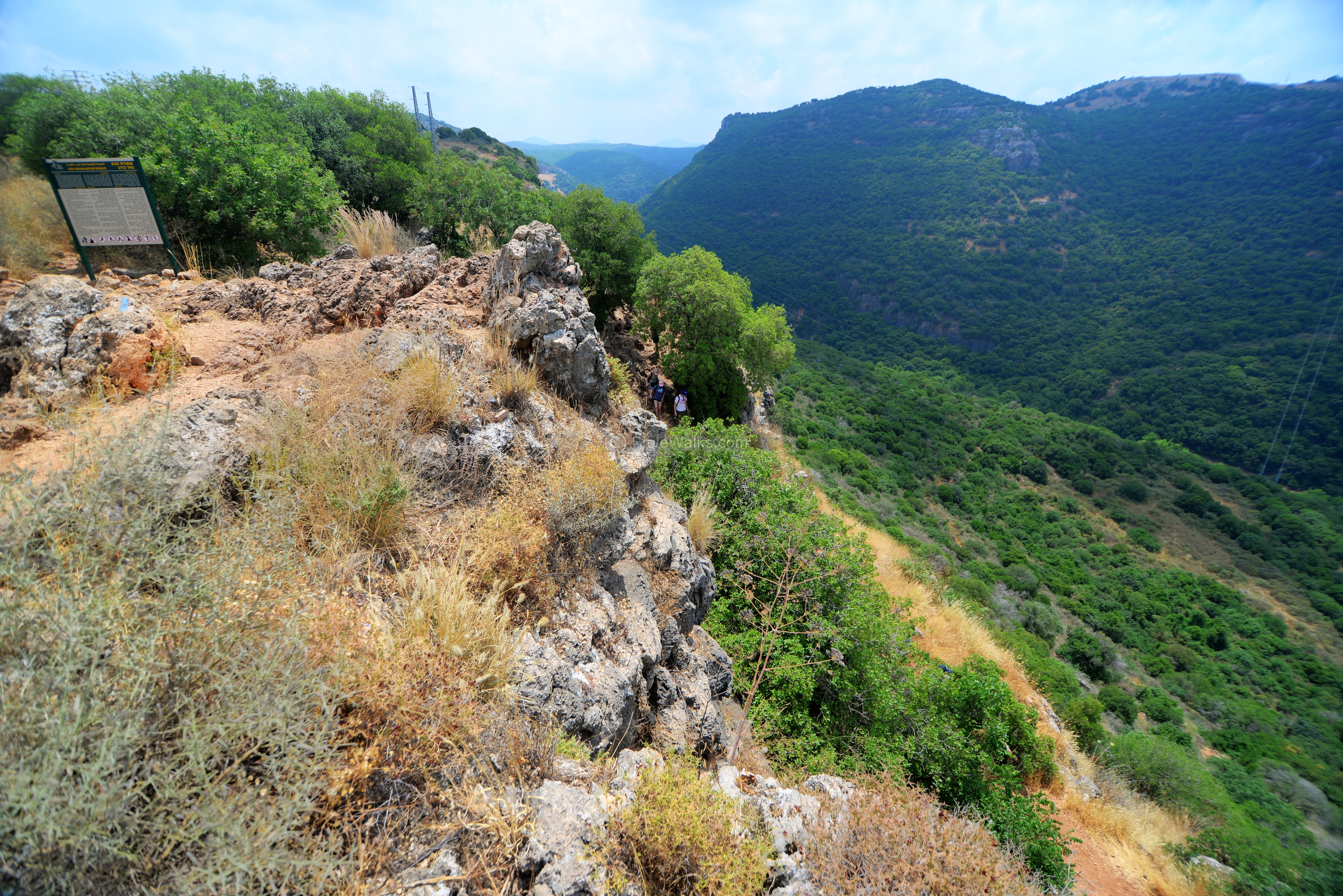
- Ruins of a Middle Bronze Age fortress are located on an edge of a cliff overlooking the deep gorge of Nahal Kziv.
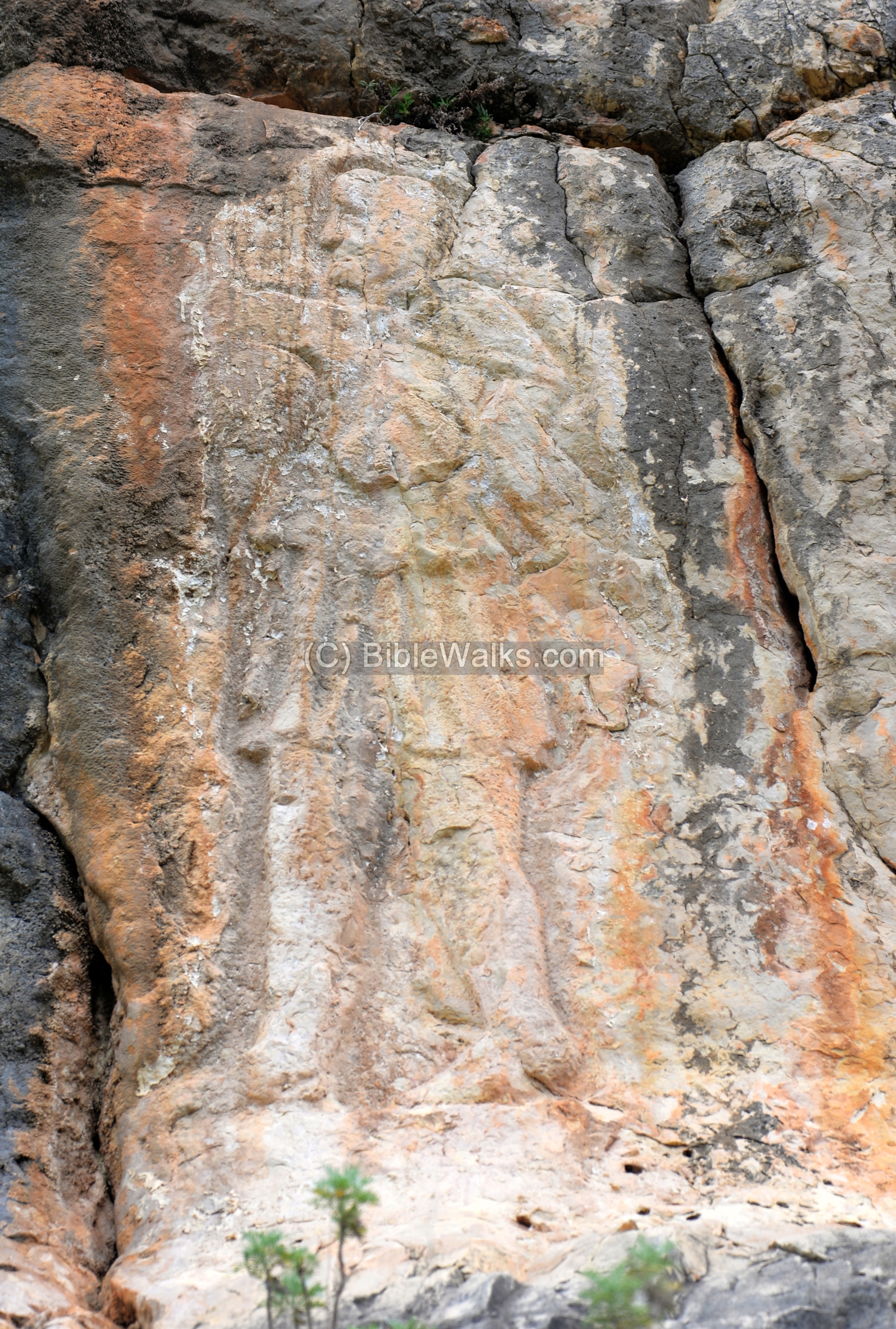
- A mysterious complex of caves above the Kziv stream, with a large engraving of a Roman soldier on the face of the cliff.
- A ruined Jewish village of the first and second temple and the Roman/Byzantine periods, with ruins of a synagogue.

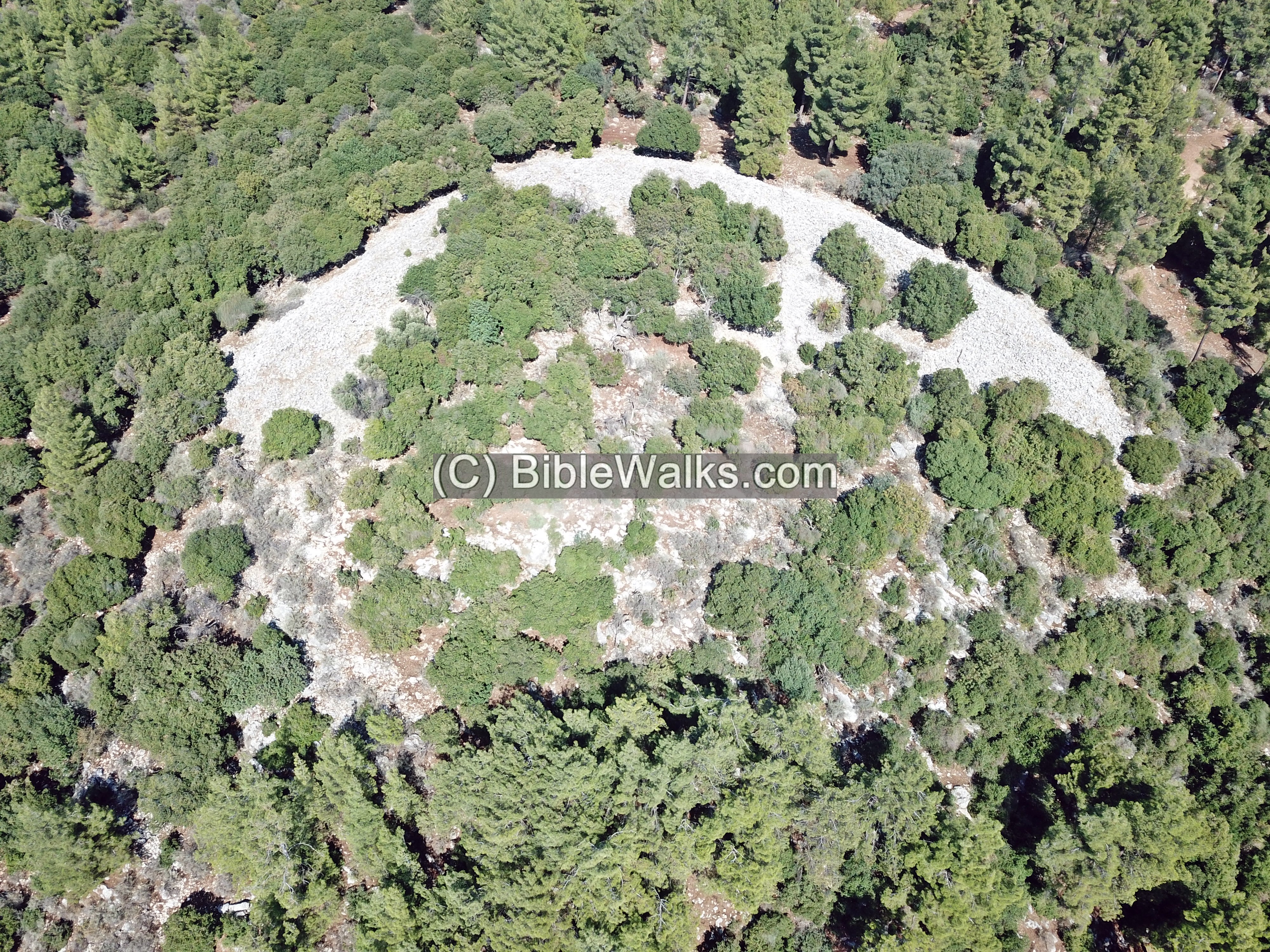
A huge megalithic monument, arranged in a crescent form, on a hillside above Kibbutz Parod.
Quick lookup on Map:
You can see the Upper Galilee sites on a regional map and navigate thru there.
For the Western Upper Galilee sites – refer to the West Galilee gallery of sites.
BibleWalks.com – walk with us through the sites of the Holy Land
Sites Navigation: On all featured sites, you can use the navigation aid at the end of the page for proceeding to the next site. The navigation bar takes you through a tour of the sites. At the bottom of each site you can navigate forward or backward, or return back to a full list of all sites in all regions of Israel.
<<<All Sites>>>—next Upper Galilee site—>>> Tell Hazor
This page was last updated on Apr 4, 2023 (add overview)
Sponsored links + sample links to BibleWalks sites: